ACL Reconstruction Success Rates in 2026: What the Data Tells Athletes and Surgeons
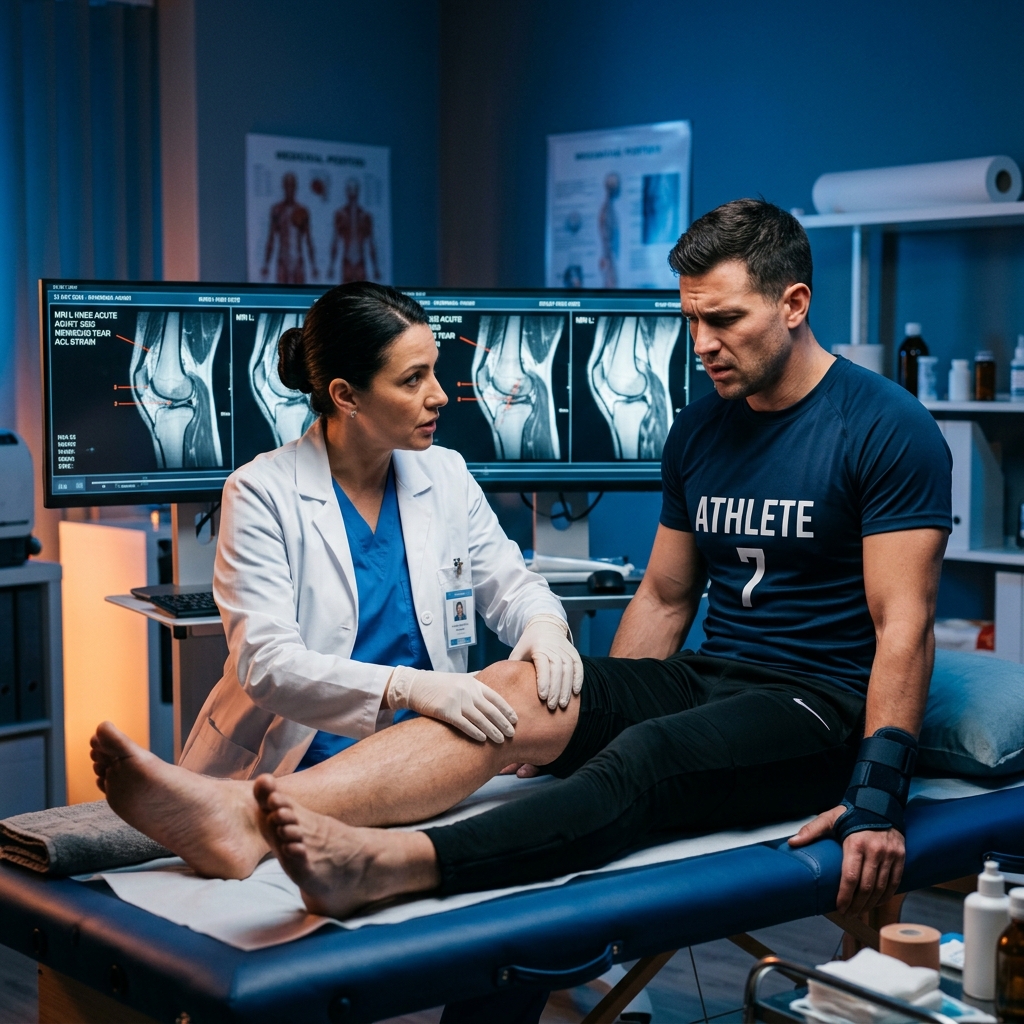
ACL reconstruction is one of the most commonly performed orthopedic procedures in the United States, with approximately 200,000 ACL reconstructions performed annually. By traditional clinical metrics - graft survival, knee stability, range of motion - the procedure boasts a 97% success rate. But dig into the sports medicine literature and a different picture emerges: only 65% of competitive athletes return to their pre-injury level of competition, and 35% of athletes under 25 will re-tear their ACL or tear the contralateral ACL within 10 years.
The 97% vs. 65% Gap: Redefining "Success"
The discrepancy between clinical success and functional success is the central tension in ACL surgery outcomes. A knee can be stable on exam, score well on a KT-1000 arthrometer, and still not perform at the level required for competitive athletics.
Factors driving the gap include:
- Psychological readiness: Fear of re-injury (kinesiophobia) is the #1 predictor of not returning to sport, even when the knee is physically cleared.
- Quad strength deficits: Persistent quadriceps weakness (>15% side-to-side difference) at time of sport clearance correlates with lower return-to-sport rates.
- Premature return: Athletes cleared before 9 months have a 7x higher re-tear risk than those who wait until 9+ months.
Graft Options: Head-to-Head Comparison
| Graft Type | Initial Strength | Donor Site Pain | Re-Tear Rate | Best For |
|---|---|---|---|---|
| Bone-Patellar Tendon-Bone (BPTB) | 168% of native ACL | Moderate-High | 5-7% | High-level athletes, cutting sports |
| Hamstring Tendon (4-strand) | 150% of native ACL | Low-Moderate | 7-10% | Recreational athletes, patients concerned about kneeling pain |
| Quad Tendon | 160% of native ACL | Low | 5-8% | Growing trend; good balance of strength and low donor morbidity |
| Allograft (cadaver) | Variable | None | 12-18% | Older patients (>40), multi-ligament revision |
"The graft choice is important, but it's not the whole equation. How you rehabilitate that graft - and when you clear the athlete to return - has as much impact on the outcome as the surgical technique itself."
- Dr. Martha Murray, Sports Medicine, Boston Children's Hospital
Return-to-Sport Timeline: Evidence-Based Milestones
- Week 0-6: Protected weight-bearing, ROM restoration, quad activation. Goal: full extension, 90 degrees flexion.
- Month 2-4: Progressive strengthening. Stationary cycling, pool running, closed-chain exercises.
- Month 4-6: Running program begins (usually month 4-5). Linear jogging progressing to running.
- Month 6-8: Sport-specific agility. Cutting, pivoting, jump-landing programs.
- Month 9-12: Return-to-sport testing. Must pass battery including hop tests, quad symmetry >90%, and psychological readiness score.
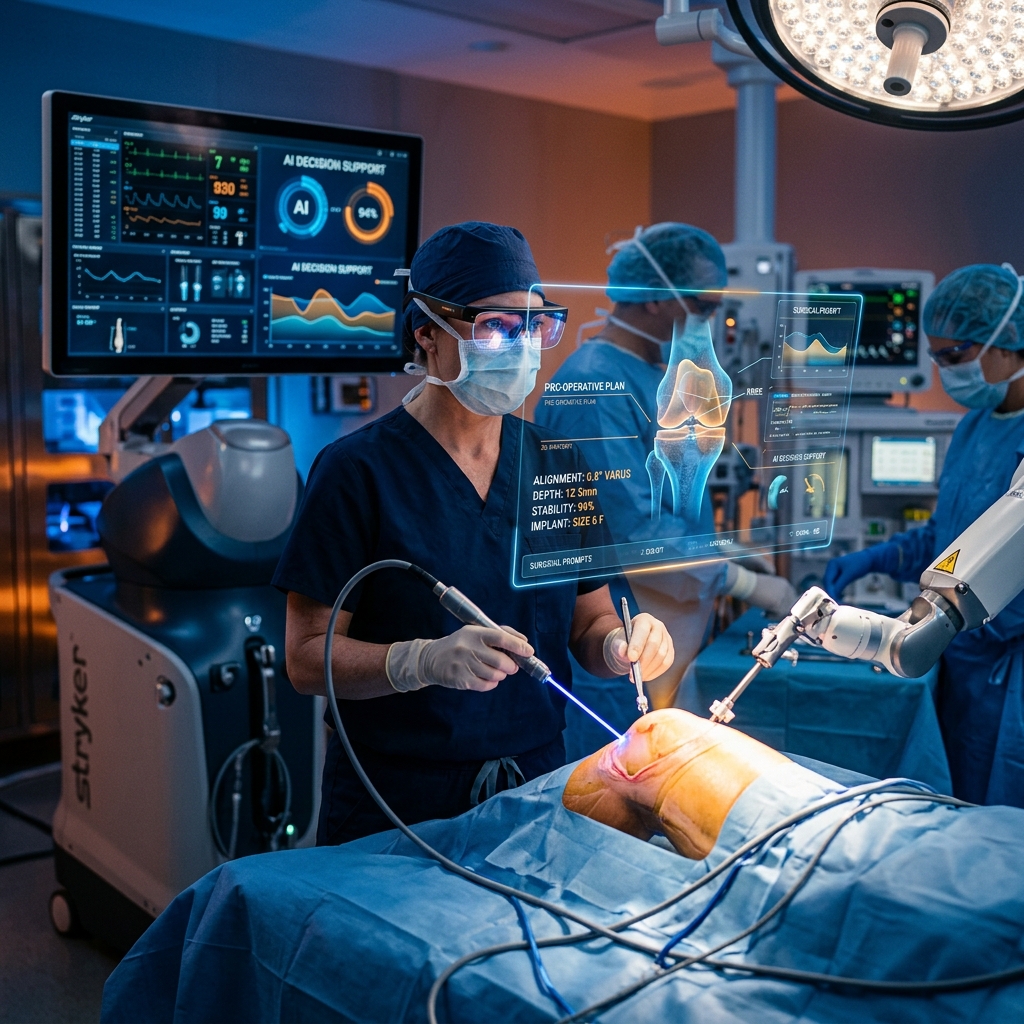
For athletes recovering from ACL surgery who may also need future knee interventions, understanding the landscape of robotic knee surgery provides important context on how surgical precision is evolving across all knee procedures.
Re-Tear Rate Data: The Numbers Nobody Likes to Talk About
- Overall re-tear rate: 6-8% for autograft, 12-18% for allograft in patients under 25.
- Contralateral ACL tear: 15-20% risk within 10 years for athletes who return to pivoting sports.
- Age factor: Patients under 20 have 2-3x the re-tear risk of patients over 30.
- Return timing: Each month of delayed return (up to 9 months) reduces re-tear risk by approximately 51%.
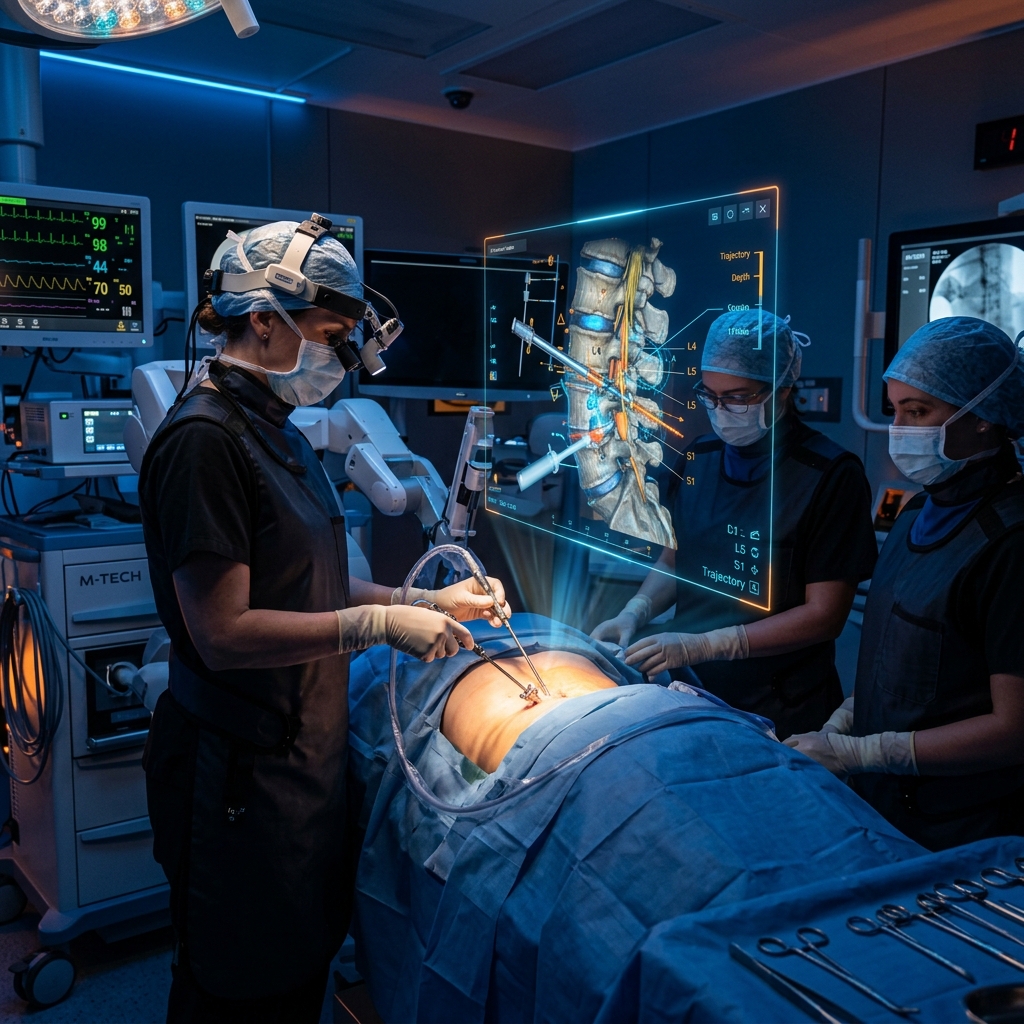
The integration of AI-powered outcome prediction is beginning to help surgeons identify which patients are at highest risk for re-tear based on biomechanical, demographic, and rehabilitation adherence data.
FAQ: ACL Reconstruction
What is the success rate of ACL reconstruction?
Clinical success rate (graft survival, stability) is approximately 97%. However, return to pre-injury sport level is achieved by only 65% of competitive athletes. Success depends on graft choice, surgical technique, rehabilitation protocol, and psychological readiness.
How long until I can play sports after ACL surgery?
Evidence-based guidelines recommend a minimum of 9 months before returning to cutting or pivoting sports. Most athletes return between 9-12 months. Return should be based on passing objective testing criteria, not just time from surgery.
Which ACL graft is best?
For high-level athletes in cutting sports, bone-patellar tendon-bone (BPTB) autograft has the lowest re-tear rate (5-7%). Quad tendon is gaining popularity as a balance of strength and low donor site morbidity. Allograft is generally not recommended for young, active patients due to higher re-tear rates.
Building a sports medicine brand? MedTech Voice creates evidence-based content that builds trust with surgeons and athletes alike.
Tell Your Story →